Category: Numbers

  • Numbers 1 + Introduction

    Numbers 1 + Introduction

    Numbers Introduction

    For some people, the title of Numbers alone is enough to make them not want to dive into this book! As we read over the next few weeks, this isn’t a math book, but a narrative of God’s people and God’s faithfulness to them. 

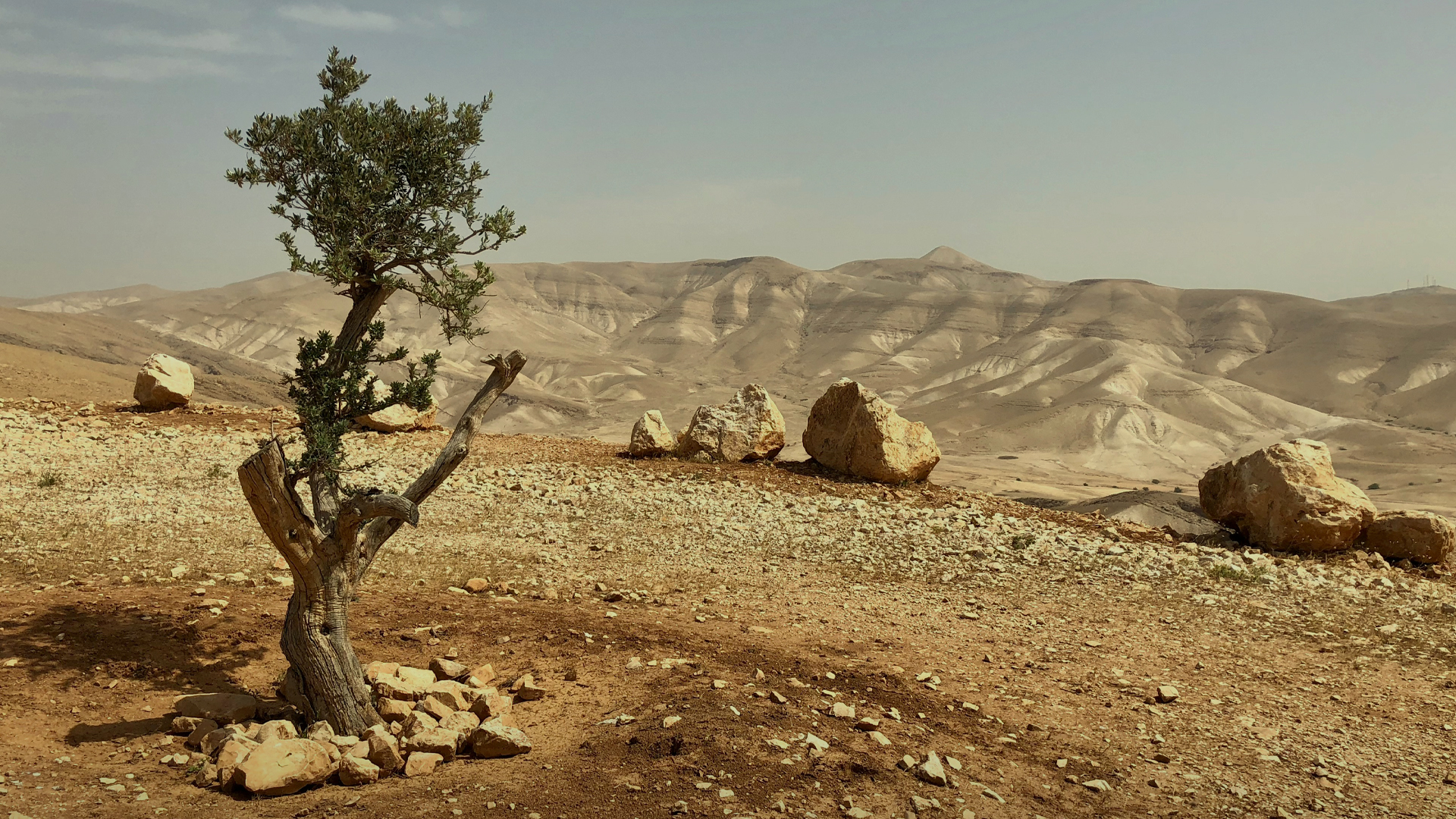
    God’s people have just received the Law at Sinai and now they are journeying to the Promised Land. While the book of Numbers begins with a census of Israel, the rest of the book has little to do with actual numbers. Numbers is about the journey towards the land flowing with milk and honey just east of the Mediterranean Sea. The people head to Kadesh and God leads them through a cloud by day and fire by night. When the cloud that covered the tent moved, the Israelites packed up camp and followed it. When the cloud stopped, the people stopped and set up camp again. God provided for his people giving them manna from heaven, which is bread, and quail. From there, there are stories of trust and disobedience, complaining and wandering. God’s promises hold true throughout. 

    The book of Numbers is in our Bible for a reason. Not only does it move the storyline of Scripture along, but it also points to the coming Savior. Amidst all of Israel’s failures, there was still hope. God’s wrath and judgment in this book might seem harsh, but we see God marked by both judgment and mercy in the Old Testament and New Testament. Look for yourself in the story.

    Like the Israelites, when are you tempted to complain? When are you tempted to question God’s promises to you? In what ways are you acting in disobedience to the Word of God? Take a note on Moses’ leadership throughout Numbers. Where does he do well? Where does he fall short? What can we apply to our own lives? Don’t be afraid of the names you don’t know and the places you may be unfamiliar with–focus on the overall story!

    Join us through the book of Numbers, as we see the unfolding of God’s big story and the rocky journey to the Promised Land!

    Read Numbers 1

    The Census

    The Lord spoke to Moses in the tent of meeting in the Desert of Sinai on the first day of the second month of the second year after the Israelites came out of Egypt. He said: “Take a census of the whole Israelite community by their clans and families, listing every man by name, one by one. You and Aaron are to count according to their divisions all the men in Israel who are twenty years old or more and able to serve in the army. One man from each tribe, each of them the head of his family, is to help you.These are the names of the men who are to assist you:

    from Reuben, Elizur son of Shedeur;

    from Simeon, Shelumiel son of Zurishaddai;

    from Judah, Nahshon son of Amminadab;

    from Issachar, Nethanel son of Zuar;

    from Zebulun, Eliab son of Helon;

    10 from the sons of Joseph:

    from Ephraim, Elishama son of Ammihud;

    from Manasseh, Gamaliel son of Pedahzur;

    11 from Benjamin, Abidan son of Gideoni;

    12 from Dan, Ahiezer son of Ammishaddai;

    13 from Asher, Pagiel son of Okran;

    14 from Gad, Eliasaph son of Deuel;

    15 from Naphtali, Ahira son of Enan.”

    16 These were the men appointed from the community, the leaders of their ancestral tribes. They were the heads of the clans of Israel.

    17 Moses and Aaron took these men whose names had been specified,18 and they called the whole community together on the first day of the second month. The people registered their ancestry by their clans and families, and the men twenty years old or more were listed by name, one by one, 19 as the Lord commanded Moses. And so he counted them in the Desert of Sinai:

    20 From the descendants of Reuben the firstborn son of Israel:

    All the men twenty years old or more who were able to serve in the army were listed by name, one by one, according to the records of their clans and families. 21 The number from the tribe of Reuben was 46,500.

    22 From the descendants of Simeon:

    All the men twenty years old or more who were able to serve in the army were counted and listed by name, one by one, according to the records of their clans and families. 23 The number from the tribe of Simeon was 59,300.

    24 From the descendants of Gad:

    All the men twenty years old or more who were able to serve in the army were listed by name, according to the records of their clans and families. 25 The number from the tribe of Gad was 45,650.

    26 From the descendants of Judah:

    All the men twenty years old or more who were able to serve in the army were listed by name, according to the records of their clans and families. 27 The number from the tribe of Judah was 74,600.

    28 From the descendants of Issachar:

    All the men twenty years old or more who were able to serve in the army were listed by name, according to the records of their clans and families. 29 The number from the tribe of Issachar was 54,400.

    30 From the descendants of Zebulun:

    All the men twenty years old or more who were able to serve in the army were listed by name, according to the records of their clans and families. 31 The number from the tribe of Zebulun was 57,400.

    32 From the sons of Joseph:

    From the descendants of Ephraim:

    All the men twenty years old or more who were able to serve in the army were listed by name, according to the records of their clans and families. 33 The number from the tribe of Ephraim was 40,500.

    34 From the descendants of Manasseh:

    All the men twenty years old or more who were able to serve in the army were listed by name, according to the records of their clans and families. 35 The number from the tribe of Manasseh was 32,200.

    36 From the descendants of Benjamin:

    All the men twenty years old or more who were able to serve in the army were listed by name, according to the records of their clans and families. 37 The number from the tribe of Benjamin was 35,400.

    38 From the descendants of Dan:

    All the men twenty years old or more who were able to serve in the army were listed by name, according to the records of their clans and families. 39 The number from the tribe of Dan was 62,700.

    40 From the descendants of Asher:

    All the men twenty years old or more who were able to serve in the army were listed by name, according to the records of their clans and families. 41 The number from the tribe of Asher was 41,500.

    42 From the descendants of Naphtali:

    All the men twenty years old or more who were able to serve in the army were listed by name, according to the records of their clans and families. 43 The number from the tribe of Naphtali was 53,400.

    44 These were the men counted by Moses and Aaron and the twelve leaders of Israel, each one representing his family. 45 All the Israelites twenty years old or more who were able to serve in Israel’s army were counted according to their families. 46 The total number was 603,550.

    47 The ancestral tribe of the Levites, however, was not counted along with the others. 48 The Lord had said to Moses: 49 “You must not count the tribe of Levi or include them in the census of the other Israelites. 50 Instead, appoint the Levites to be in charge of the tabernacle of the covenant law—over all its furnishings and everything belonging to it. They are to carry the tabernacle and all its furnishings; they are to take care of it and encamp around it. 51 Whenever the tabernacle is to move, the Levites are to take it down, and whenever the tabernacle is to be set up, the Levites shall do it.Anyone else who approaches it is to be put to death. 52 The Israelites are to set up their tents by divisions, each of them in their own camp under their standard. 53 The Levites, however, are to set up their tents around the tabernacle of the covenant law so that my wrath will not fall on the Israelite community. The Levites are to be responsible for the care of the tabernacle of the covenant law.”

    54 The Israelites did all this just as the Lord commanded Moses.

    Go Deeper

    The book of Numbers begins with a census. There are two censuses that take place in Numbers, one at the beginning of the book and one at the end. This census is for men over twenty who can go to war, which is why women weren’t included. Note the Levites were not included because they were chosen as the priestly tribe. Moses and Aaron divide the people into their tribes and appoint leaders for each one, to prepare to journey towards the Promised Land. Most of us look at these chapters in the Bible and are tempted to skip over them. However, this is more than just a list of names. There is so much we can learn! In this chapter, there are three main takeaways. 

    The first thing we see is that God is dwelling with His people. The book begins saying, “The Lord spoke to Moses in the tent of meeting in the Wilderness of Sinai, on the first day of the second month of the second year after Israel’s departure from the land of Egypt” (v. 1). Exodus ended with Moses outside the tent of meeting where God’s presence dwelt, and now Numbers begins with Moses inside the tent of meeting talking to God. Why is this important? It means that the book of Leviticus worked! The problem we see at the beginning of Leviticus is how a holy in God could dwell with a sinful people. This is solved through sacrifices, feasts, and the priests. It also shows us that from the beginning, God desires to be with His people. 

    The second thing we see is that God keeps His promises. We see the unfolding of God’s promises through this first chapter in Numbers. In Genesis 12, God promised Abraham: land, seed (descendants), and blessing. This is known as the Abrahamic Covenant. God tells Abraham that “all the nations of the earth will be blessed by [his] offspring.” Already in the book of Numbers we see God coming through. They were heading towards the Promised Land, their numbers were many as we see through the census, and God’s blessing was upon them. What started with Abraham and Sarah is now generations of Israelites. God is faithful!

    The third thing we see through this chapter is that God’s Word is reliable. This book is not a fairytale that took place thousands of years ago. These are real people with real stories. It says their total number was 603,5oo people (v. 46). This implies a total population of about 2.4 million! Census’ shows us the reliability of Scripture and the historical accuracy of what took place. The Bible is the Word of God (2 Timothy 3:16), and it has been preserved unlike any other text. Let this census remind you that God’s Word is trustworthy and true. It is authoritative and sufficient. We can and should depend on it. 

    Questions

    1. What stands out to you about this chapter?

    2. Numbers 1 begins with the Lord speaking to Moses and giving him clear instructions for the census. What does this show you about the character of God? What does this show you about the character of Moses? 

    3. This census likely would have been tedious and taken a long time. When is a time you have been obedient to the Lord, even when it was tedious or burdensome? 

    Watch This

    Check out this video overview of the book of Numbers from The Bible Project!

    Leave a Comment below

    Did you learn something today? Share it with our Bible Reading Plan community by commenting below.

    Join the Team

    Interested in writing for the Bible Reading Plan? Email [email protected].

  • Numbers 36

    Numbers 36

    Read Numbers 36

    Inheritance of Zelophehad’s Daughters

    36 The family heads of the clan of Gilead son of Makir, the son of Manasseh, who were from the clans of the descendants of Joseph, came and spoke before Moses and the leaders, the heads of the Israelite families.They said, “When the Lord commanded my lord to give the land as an inheritance to the Israelites by lot, he ordered you to give the inheritance of our brother Zelophehad to his daughters. Now suppose they marry men from other Israelite tribes; then their inheritance will be taken from our ancestral inheritance and added to that of the tribe they marry into. And so part of the inheritance allotted to us will be taken away. When the Year of Jubilee for the Israelites comes, their inheritance will be added to that of the tribe into which they marry, and their property will be taken from the tribal inheritance of our ancestors.”

    Then at the Lord’s command Moses gave this order to the Israelites: “What the tribe of the descendants of Joseph is saying is right. This is what the Lord commands for Zelophehad’s daughters: They may marry anyone they please as long as they marry within their father’s tribal clan.No inheritance in Israel is to pass from one tribe to another, for every Israelite shall keep the tribal inheritance of their ancestors. Every daughter who inherits land in any Israelite tribe must marry someone in her father’s tribal clan, so that every Israelite will possess the inheritance of their ancestors. No inheritance may pass from one tribe to another, for each Israelite tribe is to keep the land it inherits.”

    10 So Zelophehad’s daughters did as the Lord commanded Moses.11 Zelophehad’s daughters—Mahlah, Tirzah, Hoglah, Milkah and Noah—married their cousins on their father’s side. 12 They married within the clans of the descendants of Manasseh son of Joseph, and their inheritance remained in their father’s tribe and clan.

    13 These are the commands and regulations the Lord gave through Mosesto the Israelites on the plains of Moab by the Jordan across from Jericho.

    Go Deeper

    This chapter calls us back to Numbers 27 with the daughters of Zelophehad’s inheritance brought into question by the head of the clan of Gilead. They were essentially asking, “What happens to the land they inherited if those daughters marry outside of the tribe of Manasseh?”

    We see God answer this question through Moses by saying in verse 6 that the daughters may marry whomever they think best within the tribe of their father. What we learn is that the Lord values the inheritance of each tribe. In verse 9, we see the Lord declare that no inheritance shall be transferred from one tribe to another. 

    In our eyes, this may seem very limiting to Mahlah, Tirzah, Hoglah, Micah, and Noah to impose on them the limit to only marry within their tribe. In reality, the fact that they received an inheritance is completely against the cultural norm of ancient times, as is the fact they are able to marry whomever they wanted. In ancient times, their father would be the one to choose and sign off on the wedding. The daughters did as the Lord commanded and were married into the people of Manasseh keeping the inheritance in the tribe. 

    The question you may be thinking is Why is this the last story in Numbers? Robert Alter, a Hebrew scholar and author, says of this chapter, “It does serve as a vivid focus for the prospect of inheriting the land that confronts the Israelites as they await orders to begin their invasion…. with the viability of the tribal division of the land thus reaffirmed, the Israelites are prepared to begin the conquest.”

    Inheritance is a theme throughout the New Testament. We see that believers are promised an inheritance from the Lord. Ephesians 1:3-14 tells us that when we heard the truth of the Gospel and believed in Jesus’s work on our behalf, we were sealed with the Holy Spirit who guarantees our inheritance. First Peter 1:4 says this inheritance is imperishable, undefiled, and unfading. We don’t have to worry (like the heads of the Tribe of Manasseh did) about losing our inheritance, because we are sealed by the Holy Spirit.

    Questions

    1. What can we learn about obedience from the daughters of Zelophehad? 
    2. Do we value the inheritance we are given as much as God values the promised land for the Israelites? 
    3. What does it mean to have an inheritance in the Kingdom of God? Search the writings of the New Testament for the word “inheritance”

    Watch This

    Now that we’ve completed six weeks reading through the book of Numbers, go back and watch the overview video from The Bible Project

    Leave a Comment below

    Did you learn something today? Share it with our Bible Reading Plan community by commenting below.

    Join the Team

    Interested in writing for the Bible Reading Plan? Email [email protected].

  • Numbers 35

    Numbers 35

    Read Numbers 35

    Towns for the Levites

    35 On the plains of Moab by the Jordan across from Jericho, the Lord said to Moses, “Command the Israelites to give the Levites towns to live in from the inheritance the Israelites will possess. And give them pasturelandsaround the towns. Then they will have towns to live in and pasturelands for the cattle they own and all their other animals.

    “The pasturelands around the towns that you give the Levites will extend a thousand cubits from the town wall. Outside the town, measure two thousand cubits on the east side, two thousand on the south side, two thousand on the west and two thousand on the north, with the town in the center. They will have this area as pastureland for the towns.

    Cities of Refuge

    “Six of the towns you give the Levites will be cities of refuge, to which a person who has killed someone may flee. In addition, give them forty-two other towns. In all you must give the Levites forty-eight towns, together with their pasturelands. The towns you give the Levites from the land the Israelites possess are to be given in proportion to the inheritance of each tribe: Take many towns from a tribe that has many, but few from one that has few.”

    Then the Lord said to Moses: 10 “Speak to the Israelites and say to them: ‘When you cross the Jordan into Canaan, 11 select some towns to be your cities of refuge, to which a person who has killed someone accidentally may flee. 12 They will be places of refuge from the avenger, so that anyone accused of murder may not die before they stand trial before the assembly.13 These six towns you give will be your cities of refuge. 14 Give three on this side of the Jordan and three in Canaan as cities of refuge. 15 These six towns will be a place of refuge for Israelites and for foreigners residing among them, so that anyone who has killed another accidentally can flee there.

    16 “‘If anyone strikes someone a fatal blow with an iron object, that person is a murderer; the murderer is to be put to death. 17 Or if anyone is holding a stone and strikes someone a fatal blow with it, that person is a murderer; the murderer is to be put to death. 18 Or if anyone is holding a wooden object and strikes someone a fatal blow with it, that person is a murderer; the murderer is to be put to death. 19 The avenger of blood shall put the murderer to death; when the avenger comes upon the murderer, the avenger shall put the murderer to death. 20 If anyone with malice aforethought shoves another or throws something at them intentionally so that they die21 or if out of enmity one person hits another with their fist so that the other dies, that person is to be put to death; that person is a murderer. The avenger of blood shall put the murderer to death when they meet.

    22 “‘But if without enmity someone suddenly pushes another or throws something at them unintentionally 23 or, without seeing them, drops on them a stone heavy enough to kill them, and they die, then since that other person was not an enemy and no harm was intended, 24 the assembly must judge between the accused and the avenger of blood according to these regulations. 25 The assembly must protect the one accused of murder from the avenger of blood and send the accused back to the city of refuge to which they fled. The accused must stay there until the death of the high priest, who was anointed with the holy oil.

    26 “‘But if the accused ever goes outside the limits of the city of refuge to which they fled 27 and the avenger of blood finds them outside the city, the avenger of blood may kill the accused without being guilty of murder. 28 The accused must stay in the city of refuge until the death of the high priest; only after the death of the high priest may they return to their own property.

    29 “‘This is to have the force of law for you throughout the generations to come, wherever you live.

    30 “‘Anyone who kills a person is to be put to death as a murderer only on the testimony of witnesses. But no one is to be put to death on the testimony of only one witness.

    31 “‘Do not accept a ransom for the life of a murderer, who deserves to die. They are to be put to death.

    32 “‘Do not accept a ransom for anyone who has fled to a city of refuge and so allow them to go back and live on their own land before the death of the high priest.

    33 “‘Do not pollute the land where you are. Bloodshed pollutes the land, and atonement cannot be made for the land on which blood has been shed, except by the blood of the one who shed it. 34 Do not defile the land where you live and where I dwell, for I, the Lord, dwell among the Israelites.’”

    Go Deeper

    Chapter 35 begins with God providing land for the Levites to live in and cultivate. The Levites will not inherit land, like the other tribes, because God will provide for all of their needs through the tithes that the Israelites present as offerings to the Lord. This includes even the land that they will live on.  God instructs the tribes to give, as an offering, land out of their inherited portion to be used by the Levites.  

    After God provides land for the Levites, He outlines how this land is to be used. Of the forty-eight towns provided for the Levites, six of them are to be cities of refuge. These are safe places for people to go if they have accidentally killed someone (a manslayer). This is because in ancient Israelite culture, the practice of avenging blood, or vengeance killing, was commonplace in order to redeem the blood of a slain family member and to restore justice to their family. The person responsible for carrying out the vengeance was typically the nearest male relative of the murdered person and is referred to as the avenger of blood.  

    However, avenging blood was only allowed when the murder was intentional in order to redeem the wrong or sin committed against a member of their family. The cities of refuge were given specifically as a safe place for those who accidentally killed another person in order to ensure that they received a fair trial and were not killed by an avenger of blood in an instance that was not justified. If it was determined that a killing was accidental, the guilty party could not be killed by the avenger of blood, but was forced to remain in the city of refuge until the death of the current high priest.  

    In The Bible Recap, Tara-Leigh Cobble states that “the premise behind this law is that only death can atone for sin and death, even accidental sin or death, and since the manslayer won’t be put to death, the high priest’s death is viewed as atonement for the wrongful death that happened on his watch.” If this sounds familiar, you are not alone.  

    All of us have committed sin against God and are worthy of death (Romans 6:23), but God has provided our ultimate High Priest and Savior to die on our behalf so that we may walk in freedom from the vengeance from our sin that we truly deserve. 

    Questions

    1. Do you consider the fact that your sin against God is worthy of death?
    2. What can you do today to remind yourself of the freedom that God has given you from the penalty of your sins?
    3. How has the gift of freedom from death changed the way that you live your life?

    Keep Digging

    Read this article from GotQuestions.org with more information about avengers of blood.

    Leave a Comment below

    Did you learn something today? Share it with our Bible Reading Plan community by commenting below.

    Join the Team

    Interested in writing for the Bible Reading Plan? Email [email protected].

  • Numbers 34

    Numbers 34

    Read Numbers 34

    Boundaries of Canaan

    34 The Lord said to Moses, “Command the Israelites and say to them: ‘When you enter Canaan, the land that will be allotted to you as an inheritance is to have these boundaries:

    “‘Your southern side will include some of the Desert of Zin along the border of Edom. Your southern boundary will start in the east from the southern end of the Dead Sea, cross south of Scorpion Pass, continue on to Zin and go south of Kadesh Barnea. Then it will go to Hazar Addar and over to Azmon, where it will turn, join the Wadi of Egypt and end at the Mediterranean Sea.

    “‘Your western boundary will be the coast of the Mediterranean Sea. This will be your boundary on the west.

    “‘For your northern boundary, run a line from the Mediterranean Sea to Mount Hor and from Mount Hor to Lebo Hamath. Then the boundary will go to Zedad, continue to Ziphron and end at Hazar Enan. This will be your boundary on the north.

    10 “‘For your eastern boundary, run a line from Hazar Enan to Shepham.11 The boundary will go down from Shepham to Riblah on the east side of Ainand continue along the slopes east of the Sea of Galilee. 12 Then the boundary will go down along the Jordan and end at the Dead Sea.

    “‘This will be your land, with its boundaries on every side.’”

    13 Moses commanded the Israelites: “Assign this land by lot as an inheritance. The Lord has ordered that it be given to the nine and a half tribes, 14 because the families of the tribe of Reuben, the tribe of Gad and the half-tribe of Manasseh have received their inheritance. 15 These two and a half tribes have received their inheritance east of the Jordan across from Jericho, toward the sunrise.”

    16 The Lord said to Moses, 17 “These are the names of the men who are to assign the land for you as an inheritance: Eleazar the priest and Joshua son of Nun. 18 And appoint one leader from each tribe to help assign the land.19 These are their names:

    Caleb son of Jephunneh,

    from the tribe of Judah;

    20 Shemuel son of Ammihud,

    from the tribe of Simeon;

    21 Elidad son of Kislon,

    from the tribe of Benjamin;

    22 Bukki son of Jogli,

    the leader from the tribe of Dan;

    23 Hanniel son of Ephod,

    the leader from the tribe of Manasseh son of Joseph;

    24 Kemuel son of Shiphtan,

    the leader from the tribe of Ephraim son of Joseph;

    25 Elizaphan son of Parnak,

    the leader from the tribe of Zebulun;

    26 Paltiel son of Azzan,

    the leader from the tribe of Issachar;

    27 Ahihud son of Shelomi,

    the leader from the tribe of Asher;

    28 Pedahel son of Ammihud,

    the leader from the tribe of Naphtali.”

    29 These are the men the Lord commanded to assign the inheritance to the Israelites in the land of Canaan.

    Go Deeper

    In this last section on Numbers, we see the New Generation, also known as the Conquest Generation, prepare to enter into the Promised Land. These final chapters are marked by both warning and encouragement. In chapter 33, we read a review of Israel’s journey from Egypt and God’s instructions to drive out the inhabitants of the land. The chapter ended with a warning of what would happen if they did not obey the Lord’s command to do this.

    This idea might not sit well with us or be confusing. Eugene Merrill, a former professor at Dallas Theological Seminary, gives four reasons behind why God instructed His people to drive out the inhibitions of the land. He states that these are: “The irremediable hardness of the hearts of its victims, the need to protect Israel against spiritual corruption, the destruction of idolatry, and the education of Israel and the nations as to the character and intentions of the one true God.” God is ultimately creator and judge, all have sinned, and He is impartial. 

    In this chapter, we see God through Moses giving the people specific directions on what their boundaries were to look like in the Promised Land and instructions for assigning the land to the Israelite tribes. Moses gave detailed commands for the borders in the north, south, east, and west. The southern border (v. 3-5) went from the Scorpion Pass in the desert to the Brook of Egypt. The western border was the Mediterranean Sea (v. 6), the northern border was at the entrance of Hamath (v. 7-9), and the eastern border was the Dead Sea (v. 10-12). The land within these boundaries were 150 miles long by 50 miles wide. This land was a real and tangible place with definite boundaries.

    The question you might be asking is: Why did the Lord give them boundaries? Boundary markers were a stone pillar that marked a property line. They instructed the people how far they could go and were used to establish order. The purpose of these were also to prevent them from coveting others’ territories and wanting to expand outside the borders that the Lord gave them. It was against Mosaic law to move these boundary markers or go past them (Deuteronomy 27:17). Like the Israelites, the temptation in many of us is to want more than what we have been given. God freely gave them a land to inherit and live in, and He wanted them to experience this blessing within those borders. 

    This essentially addressed the lack of contentment that the Lord knew the Israelites would have. It is easy for us today to have a lack of contentment in what the Lord has given us. We compare ourselves to others and desire the things that they have, because we can believe the lie that what we have is not enough. Contentment will ultimately never come from what we have, it is a perspective. Psalm 23 says that we lack no good thing in Him, and He provides everything we need. Additionally, the commands the Lord gives us are for our benefit. They are not meant to be burdensome, but for our protection and for our good. Following Jesus and obedience to His commands go hand in hand. As it says in Psalm 19, would we see God’s instructions to us as perfect, reliable, righteous, and more valuable than gold.  

    Questions

    1. What do God’s commands in this chapter teach you about His character? 
    2. In the Great Commission, Jesus reminds His followers to obey everything He has commanded. His instructions are His boundaries for us. What is a boundary or instruction that God has set in place that you are tempted to cross? 
    3. What is something you desire more of than you currently have? What does it look like to have contentment in what the Lord has given you?

    A Quote

    “This is the secret of being content: to learn and accept that we live daily by God’s unmerited favor given through Christ, and that we can respond to any and every situation by His divine enablement through the Holy Spirit.” –Jerry Bridges, The Practice of Godliness

    Leave a Comment below

    Did you learn something today? Share it with our Bible Reading Plan community by commenting below.

    Join the Team

    Interested in writing for the Bible Reading Plan? Email [email protected].

  • Numbers 33

    Numbers 33

    Read Numbers 33

    Stages in Israel’s Journey

    33 Here are the stages in the journey of the Israelites when they came out of Egypt by divisions under the leadership of Moses and Aaron. At the Lord’s command Moses recorded the stages in their journey. This is their journey by stages:

    The Israelites set out from Rameses on the fifteenth day of the first month, the day after the Passover. They marched out defiantly in full view of all the Egyptians, who were burying all their firstborn, whom the Lordhad struck down among them; for the Lord had brought judgment on their gods.

    The Israelites left Rameses and camped at Sukkoth.

    They left Sukkoth and camped at Etham, on the edge of the desert.

    They left Etham, turned back to Pi Hahiroth, to the east of Baal Zephon,and camped near Migdol.

    They left Pi Hahiroth and passed through the sea into the desert, and when they had traveled for three days in the Desert of Etham, they camped at Marah.

    They left Marah and went to Elim, where there were twelve springs and seventy palm trees, and they camped there.

    10 They left Elim and camped by the Red Sea.

    11 They left the Red Sea and camped in the Desert of Sin.

    12 They left the Desert of Sin and camped at Dophkah.

    13 They left Dophkah and camped at Alush.

    14 They left Alush and camped at Rephidim, where there was no water for the people to drink.

    15 They left Rephidim and camped in the Desert of Sinai.

    16 They left the Desert of Sinai and camped at Kibroth Hattaavah.

    17 They left Kibroth Hattaavah and camped at Hazeroth.

    18 They left Hazeroth and camped at Rithmah.

    19 They left Rithmah and camped at Rimmon Perez.

    20 They left Rimmon Perez and camped at Libnah.

    21 They left Libnah and camped at Rissah.

    22 They left Rissah and camped at Kehelathah.

    23 They left Kehelathah and camped at Mount Shepher.

    24 They left Mount Shepher and camped at Haradah.

    25 They left Haradah and camped at Makheloth.

    26 They left Makheloth and camped at Tahath.

    27 They left Tahath and camped at Terah.

    28 They left Terah and camped at Mithkah.

    29 They left Mithkah and camped at Hashmonah.

    30 They left Hashmonah and camped at Moseroth.

    31 They left Moseroth and camped at Bene Jaakan.

    32 They left Bene Jaakan and camped at Hor Haggidgad.

    33 They left Hor Haggidgad and camped at Jotbathah.

    34 They left Jotbathah and camped at Abronah.

    35 They left Abronah and camped at Ezion Geber.

    36 They left Ezion Geber and camped at Kadesh, in the Desert of Zin.

    37 They left Kadesh and camped at Mount Hor, on the border of Edom.38 At the Lord’s command Aaron the priest went up Mount Hor, where he died on the first day of the fifth month of the fortieth year after the Israelites came out of Egypt. 39 Aaron was a hundred and twenty-three years old when he died on Mount Hor.

    40 The Canaanite king of Arad, who lived in the Negev of Canaan, heard that the Israelites were coming.

    41 They left Mount Hor and camped at Zalmonah.

    42 They left Zalmonah and camped at Punon.

    43 They left Punon and camped at Oboth.

    44 They left Oboth and camped at Iye Abarim, on the border of Moab.

    45 They left Iye Abarim and camped at Dibon Gad.

    46 They left Dibon Gad and camped at Almon Diblathaim.

    47 They left Almon Diblathaim and camped in the mountains of Abarim,near Nebo.

    48 They left the mountains of Abarim and camped on the plains of Moabby the Jordan across from Jericho. 49 There on the plains of Moab they camped along the Jordan from Beth Jeshimoth to Abel Shittim.

    50 On the plains of Moab by the Jordan across from Jericho the Lord said to Moses, 51 “Speak to the Israelites and say to them: ‘When you cross the Jordan into Canaan, 52 drive out all the inhabitants of the land before you. Destroy all their carved images and their cast idols, and demolish all their high places. 53 Take possession of the land and settle in it, for I have given you the land to possess. 54 Distribute the land by lot, according to your clans. To a larger group give a larger inheritance, and to a smaller group a smaller one. Whatever falls to them by lot will be theirs. Distribute it according to your ancestral tribes.

    55 “‘But if you do not drive out the inhabitants of the land, those you allow to remain will become barbs in your eyes and thorns in your sides. They will give you trouble in the land where you will live. 56 And then I will do to you what I plan to do to them.’”

    Go Deeper

    At first glance, Numbers 33 reads like an ancient history book recounting the locations  and movements of the nation of Israel. This chapter begins with the note that the Lord wanted Moses to record these movements (v. 2), so Moses did just that. Beginning with their defiant escape from slavery in Egypt (v. 3), Moses goes on to list all the places Israel traveled and set up camp. He even makes special note of where Aaron, his brother and trusted co-leader, passed away on Mount Hor (v. 39). 

    Towards the end of this chapter, Israel is presented with its next task: to drive out the Canaanites from the land that had been promised to them (v. 50-56). They weren’t just to assimilate into the culture–they were to destroy the idols and purge the ungodliness from Canaan. God even gives them a warning of what will happen if they don’t do this! 

    Pastor David Guzik, author of the Enduring Word commentary, has this note connecting it to us as readers today: 

    “The abiding spiritual principle teaches us that it is of no use for the church to succeed in the eyes of man–as Israel had succeeded when they occupied the land and became a legitimate nation, instead of an enslaved people–if it merely allows the corrupt practices and attitudes of the Canaanites to take root among God’s people. If, spiritually speaking, a similar thing happens among God’s people today, they should expect to be eventually driven from their place of apparent success or influence.”

    While it’s easy to read this list full of locations that are difficult to pronounce and think they are insignificant, it’s important to remember that these are all real places. This historical narrative is exactly that: history. And each one of these locations was an important part of Israel’s history as they were delivered from the hands of the Egyptians, wandered in the wilderness, and walked in repentance. All of these places had meaning and significance. They all mattered and shaped Israel into the people they had become.

    Today, remember where you’ve been and God’s faithfulness in your own life and remember the call God has on your life to be salt and light in a dark world (Matthew 5:13-16). 

    Questions

    1. What stuck out to you on your first read through this chapter? Why?
    2. Why was it so important for Moses to record this series of events and locations from Israel’s past? Why is it so important to remember?
    3. What does it look like to destroy and demolish the idols in your own life? What is a step you can take today to begin that process?

    Did You Know?

    By the end of this chapter as the Israelites set up camp on the plains of Moab, they were a few months away from crossing the Jordan and making their way into Canaan after 40 years of wandering. 

    Leave a Comment below

    Did you learn something today? Share it with our Bible Reading Plan community by commenting below.

    Join the Team

    Interested in writing for the Bible Reading Plan? Email [email protected].

  • Numbers 32

    Numbers 32

    Read Numbers 32

    The Transjordan Tribes

    32 The Reubenites and Gadites, who had very large herds and flocks, saw that the lands of Jazer and Gilead were suitable for livestock. So they came to Moses and Eleazar the priest and to the leaders of the community, and said, “Ataroth, Dibon, Jazer, Nimrah, Heshbon, Elealeh, Sebam, Nebo and Beon— the land the Lord subdued before the people of Israel—are suitable for livestock, and your servants have livestock. If we have found favor in your eyes,” they said, “let this land be given to your servants as our possession. Do not make us cross the Jordan.”

    Moses said to the Gadites and Reubenites, “Should your fellow Israelites go to war while you sit here? Why do you discourage the Israelites from crossing over into the land the Lord has given them? This is what your fathers did when I sent them from Kadesh Barnea to look over the land.After they went up to the Valley of Eshkol and viewed the land, they discouraged the Israelites from entering the land the Lord had given them.10 The Lord’s anger was aroused that day and he swore this oath:11 ‘Because they have not followed me wholeheartedly, not one of those who were twenty years old or more when they came up out of Egypt will see the land I promised on oath to Abraham, Isaac and Jacob— 12 not one except Caleb son of Jephunneh the Kenizzite and Joshua son of Nun, for they followed the Lord wholeheartedly.’ 13 The Lord’s anger burned against Israeland he made them wander in the wilderness forty years, until the whole generation of those who had done evil in his sight was gone.

    14 “And here you are, a brood of sinners, standing in the place of your fathers and making the Lord even more angry with Israel. 15 If you turn away from following him, he will again leave all this people in the wilderness, and you will be the cause of their destruction.”

    16 Then they came up to him and said, “We would like to build pens here for our livestock and cities for our women and children. 17 But we will arm ourselves for battle and go ahead of the Israelites until we have brought them to their place. Meanwhile our women and children will live in fortified cities, for protection from the inhabitants of the land. 18 We will not return to our homes until each of the Israelites has received their inheritance. 19 We will not receive any inheritance with them on the other side of the Jordan, because our inheritance has come to us on the east side of the Jordan.”

    20 Then Moses said to them, “If you will do this—if you will arm yourselves before the Lord for battle 21 and if all of you who are armed cross over the Jordan before the Lord until he has driven his enemies out before him—22 then when the land is subdued before the Lord, you may return and be free from your obligation to the Lord and to Israel. And this land will be your possession before the Lord.

    23 “But if you fail to do this, you will be sinning against the Lord; and you may be sure that your sin will find you out. 24 Build cities for your women and children, and pens for your flocks, but do what you have promised.”

    25 The Gadites and Reubenites said to Moses, “We your servants will do as our lord commands. 26 Our children and wives, our flocks and herds will remain here in the cities of Gilead. 27 But your servants, every man who is armed for battle, will cross over to fight before the Lord, just as our lord says.”

    28 Then Moses gave orders about them to Eleazar the priest and Joshua son of Nun and to the family heads of the Israelite tribes. 29 He said to them, “If the Gadites and Reubenites, every man armed for battle, cross over the Jordan with you before the Lord, then when the land is subdued before you,you must give them the land of Gilead as their possession. 30 But if they do not cross over with you armed, they must accept their possession with you in Canaan.”

    31 The Gadites and Reubenites answered, “Your servants will do what the Lord has said. 32 We will cross over before the Lord into Canaan armed, but the property we inherit will be on this side of the Jordan.”

    33 Then Moses gave to the Gadites, the Reubenites and the half-tribe of Manasseh son of Joseph the kingdom of Sihon king of the Amorites and the kingdom of Og king of Bashan—the whole land with its cities and the territory around them.

    34 The Gadites built up Dibon, Ataroth, Aroer, 35 Atroth Shophan, Jazer,Jogbehah, 36 Beth Nimrah and Beth Haran as fortified cities, and built pens for their flocks. 37 And the Reubenites rebuilt Heshbon, Elealeh and Kiriathaim, 38 as well as Nebo and Baal Meon (these names were changed) and Sibmah. They gave names to the cities they rebuilt.

    39 The descendants of Makir son of Manasseh went to Gilead, captured it and drove out the Amorites who were there. 40 So Moses gave Gilead to the Makirites, the descendants of Manasseh, and they settled there. 41 Jair, a descendant of Manasseh, captured their settlements and called them Havvoth Jair. 42 And Nobah captured Kenath and its surrounding settlements and called it Nobah after himself.

    Go Deeper

    Numbers 32 is difficult to understand without recalling back to what happened years before in Numbers 13 and Numbers 14. As a refresher, twelve spies were sent to investigate the land of Canaan and report back what they saw. The Israelites had been promised the land and wondered what it looked like. Ten of the twelve, however, got cold feet and were scared off by the giants they saw inhabiting the land. As a result of their lack of faith, an entire generation (with the exception of Joshua and Caleb) were not allowed into the promised land after all and they spent years and years wandering in the desert. 

    In this chapter, the leaders of the tribes of Gad and Reuben found a place where they wanted to settle and establish their homes. Instead of continuing to fight against their enemies alongside their brothers and fellow Israelites, they wanted to leave the fighting up to someone else and take an easier way out. Moses, however, was discouraged by their proposal and reminded them of what had happened a generation before. This was an important part of Israel’s history and Moses didn’t want history to repeat itself in this way. 

    As Moses points back to the story of Joshua and Caleb, he uses a word multiple times to describe their devotion: wholehearted (v. 11-12). That’s the kind of devotion God was looking for back then and it’s the same devotion He’s looking for today. We are easily distracted and amused people. We fill our minds, calendars, and free time with all kinds of things…but we often neglect the things of God. We are easily taken off mission by a lack of wholehearted devotion. While the leaders of Reuben and Gad eventually agree to join in the fighting, their obedience was delayed. 

    Paul’s words in Acts 20:24 can serve as a helpful reminder to us that our only aim is to finish the race and to testify to the good news of God’s grace. As you go about your day to day, do so in a way that shows a wholehearted devotion to Jesus.

    Questions

    1. What stuck out to you on your first read through this chapter? Why?
    2. What were the potential dangers if the leaders of Reuben and Gad had settled on the land? Why would that have been so disruptive to Israel?
    3. Where are you lacking wholehearted devotion today? What steps can you take today to center your devotion on Jesus today?

    Keep Digging

    What does it mean in verse 23 when it says “Be sure that your sin will find you out”? Check out this article from GotQuestions.org

    Leave a Comment below

    Did you learn something today? Share it with our Bible Reading Plan community by commenting below.

    Join the Team

    Interested in writing for the Bible Reading Plan? Email [email protected].

  • Numbers 31

    Numbers 31

    Read Numbers 31

    Vengeance on the Midianites

    31 The Lord said to Moses, “Take vengeance on the Midianites for the Israelites. After that, you will be gathered to your people.”

    So Moses said to the people, “Arm some of your men to go to war against the Midianites so that they may carry out the Lord’s vengeance on them.Send into battle a thousand men from each of the tribes of Israel.” So twelve thousand men armed for battle, a thousand from each tribe, were supplied from the clans of Israel. Moses sent them into battle, a thousand from each tribe, along with Phinehas son of Eleazar, the priest, who took with him articles from the sanctuary and the trumpets for signaling.

    They fought against Midian, as the Lord commanded Moses, and killed every man. Among their victims were Evi, Rekem, Zur, Hur and Reba—the five kings of Midian. They also killed Balaam son of Beor with the sword.The Israelites captured the Midianite women and children and took all the Midianite herds, flocks and goods as plunder. 10 They burned all the towns where the Midianites had settled, as well as all their camps. 11 They took all the plunder and spoils, including the people and animals, 12 and brought the captives, spoils and plunder to Moses and Eleazar the priest and the Israelite assembly at their camp on the plains of Moab, by the Jordan across from Jericho.

    13 Moses, Eleazar the priest and all the leaders of the community went to meet them outside the camp. 14 Moses was angry with the officers of the army—the commanders of thousands and commanders of hundreds—who returned from the battle.

    15 “Have you allowed all the women to live?” he asked them. 16 “They were the ones who followed Balaam’s advice and enticed the Israelites to be unfaithful to the Lord in the Peor incident, so that a plague struck the Lord’s people. 17 Now kill all the boys. And kill every woman who has slept with a man, 18 but save for yourselves every girl who has never slept with a man.

    19 “Anyone who has killed someone or touched someone who was killedmust stay outside the camp seven days. On the third and seventh days you must purify yourselves and your captives. 20 Purify every garment as well as everything made of leather, goat hair or wood.”

    21 Then Eleazar the priest said to the soldiers who had gone into battle,“This is what is required by the law that the Lord gave Moses: 22 Gold, silver, bronze, iron, tin, lead 23 and anything else that can withstand fire must be put through the fire, and then it will be clean. But it must also be purified with the water of cleansing. And whatever cannot withstand fire must be put through that water. 24 On the seventh day wash your clothes and you will be clean. Then you may come into the camp.”

    Dividing the Spoils

    25 The Lord said to Moses, 26 “You and Eleazar the priest and the family heads of the community are to count all the people and animals that were captured. 27 Divide the spoils equally between the soldiers who took part in the battle and the rest of the community. 28 From the soldiers who fought in the battle, set apart as tribute for the Lord one out of every five hundred, whether people, cattle, donkeys or sheep. 29 Take this tribute from their half share and give it to Eleazar the priest as the Lord’s part. 30 From the Israelites’ half, select one out of every fifty, whether people, cattle, donkeys, sheep or other animals. Give them to the Levites, who are responsible for the care of the Lord’s tabernacle.” 31 So Moses and Eleazar the priest did as the Lord commanded Moses.

    32 The plunder remaining from the spoils that the soldiers took was 675,000 sheep, 33 72,000 cattle, 34 61,000 donkeys 35 and 32,000 women who had never slept with a man.

    36 The half share of those who fought in the battle was:

    337,500 sheep, 37 of which the tribute for the Lord was 675;

    38 36,000 cattle, of which the tribute for the Lord was 72;

    39 30,500 donkeys, of which the tribute for the Lord was 61;

    40 16,000 people, of whom the tribute for the Lord was 32.

    41 Moses gave the tribute to Eleazar the priest as the Lord’s part, as the Lord commanded Moses.

    42 The half belonging to the Israelites, which Moses set apart from that of the fighting men— 43 the community’s half—was 337,500 sheep, 44 36,000 cattle, 45 30,500 donkeys 46 and 16,000 people. 47 From the Israelites’ half, Moses selected one out of every fifty people and animals, as the Lordcommanded him, and gave them to the Levites, who were responsible for the care of the Lord’s tabernacle.

    48 Then the officers who were over the units of the army—the commanders of thousands and commanders of hundreds—went to Moses 49 and said to him, “Your servants have counted the soldiers under our command, and not one is missing. 50 So we have brought as an offering to the Lord the gold articles each of us acquired—armlets, bracelets, signet rings, earrings and necklaces—to make atonement for ourselves before the Lord.”

    51 Moses and Eleazar the priest accepted from them the gold—all the crafted articles. 52 All the gold from the commanders of thousands and commanders of hundreds that Moses and Eleazar presented as a gift to the Lord weighed 16,750 shekels. 53 Each soldier had taken plunder for himself.54 Moses and Eleazar the priest accepted the gold from the commanders of thousands and commanders of hundreds and brought it into the tent of meeting as a memorial for the Israelites before the Lord.

    Go Deeper

    A few chapters ago in Numbers 25 we read God’s command to fight and destroy the Midianites due to their pagan worship and deceptive influences on the nation of Israel. God repeats that same command twice in Numbers 31, asking for 1000 soldiers from each tribe. He commanded these armies to totally destroy Midian and its people. The Israel captains did not obey the commands to the letter, and Moses expresses his anger which we read in verses 14 and 15. God, in His goodness, gives Moses specific commands on what to do next with the women, children, animals, gold and silver. Through these spoils, God graciously provides for the temple, priests, warriors, and people of Israel. Further, after a census of the soldiers who fought, not one soldier was missing. What grace and provision were shown to the Israelites in spite of their disobedience.

    The Midianites corrupted, misled, and fought with Israel for over 200 years. There are several thoughts to consider from this chapter. First, had Israel not forsaken God’s word from the beginning, this war would not have been necessary. This begs some questions for us today. Have we forgotten God’s word in some area of our own life that is causing unnecessary strife and problems? Proverbs 6:16-19 describes many of the traits of the Midianites saying, “There are six things God hates, yes, seven which are an abomination to Him; haughty eyes, a lying tongue, and hands that shed innocent blood, a heart that devises wicked plans, feet that run rapidly to evil, a false witness who utters lies, and one who spreads strife among brothers.” The judgment of God is a reality we must consider throughout our lives. Paul wrote in Romans 2:2 the same message saying, “and we know the judgment of God rightly falls on those who practice such things.” 

    God is also showing us His desire for us to worship Him and Him alone. The Ten Commandments include this righteous jealousy of God over us in Exodus 20:3 saying, “Thou shalt have no other gods before Me.” Are we in unfettered worship of God daily and weekly?  Paul later writes in verse 4 in the same chapter writing words of hope saying, “Or do you think lightly of the riches of His kindness and forbearance and patience knowing the kindness of God leads you to repentance?” Is there any area of faith where we are taking for granted the marvelous gift God has given us in Christ?

    Jesus went to the cross to save any and all who profess faith in Him and His redeeming work on the cross for all the world. He wants to draw us unto Him through His kindness and goodness. This single work of God gives our hearts, minds, and souls peace with God forever. Sincere and absolute repentance offered to God through this work of Christ on the cross will change our lives both now and forever. As we surrender to and walk with God, we also won’t have to fight self-inflicted sin driven wars that God never intended for us to fight. That is His promise.

    Questions

    1. Have you forgotten God’s Word in some area of your life that is causing you problems? If you feel conviction, seek the Lord for forgiveness and talk to a trusted Christian friend asking for prayer and guidance.
    2. Are you regularly abiding in Christ? Why or why not?
    3. Have you taken for granted anything in your relationship with Christ? Talk about this with your Life Group this week.

    A Quote

    George Williams, 18th century Bible commentary writer said, “The sin which seduces, can by faith in Christ, be utterly destroyed.”

    Leave a Comment below

    Did you learn something today? Share it with our Bible Reading Plan community by commenting below.

    Join the Team

    Interested in writing for the Bible Reading Plan? Email [email protected].

  • Numbers 30

    Numbers 30

    Read Numbers 30

    Vows

    30 Moses said to the heads of the tribes of Israel: “This is what the Lord commands: When a man makes a vow to the Lord or takes an oath to obligate himself by a pledge, he must not break his word but must do everything he said.

    “When a young woman still living in her father’s household makes a vow to the Lord or obligates herself by a pledge and her father hears about her vow or pledge but says nothing to her, then all her vows and every pledge by which she obligated herself will stand. But if her father forbids her when he hears about it, none of her vows or the pledges by which she obligated herself will stand; the Lord will release her because her father has forbidden her.

    “If she marries after she makes a vow or after her lips utter a rash promise by which she obligates herself and her husband hears about it but says nothing to her, then her vows or the pledges by which she obligated herself will stand. But if her husband forbids her when he hears about it, he nullifies the vow that obligates her or the rash promise by which she obligates herself, and the Lord will release her.

    “Any vow or obligation taken by a widow or divorced woman will be binding on her.

    10 “If a woman living with her husband makes a vow or obligates herself by a pledge under oath 11 and her husband hears about it but says nothing to her and does not forbid her, then all her vows or the pledges by which she obligated herself will stand. 12 But if her husband nullifies them when he hears about them, then none of the vows or pledges that came from her lips will stand. Her husband has nullified them, and the Lord will release her.13 Her husband may confirm or nullify any vow she makes or any sworn pledge to deny herself. 14 But if her husband says nothing to her about it from day to day, then he confirms all her vows or the pledges binding on her. He confirms them by saying nothing to her when he hears about them. 15 If, however, he nullifies them some time after he hears about them, then he must bear the consequences of her wrongdoing.”

    16 These are the regulations the Lord gave Moses concerning relationships between a man and his wife, and between a father and his young daughter still living at home.

    Go Deeper

    Numbers 30 is a chapter that dives into the importance of vows and the seriousness with which we should make a vow or pledge. As Moses gathered the leaders of the tribes of Israel, he had important instructions for them to heed. Vows are made all the time. We give a handshake, we share that someone has our word, and we stretch out our littlest finger for a pinky promise. In many moments of the human experience, we make covenants and commitments in the day to day.

    We interchangeably use the terms commitment and covenant, but there is a major difference. A commitment is a one-sided obligation that requires only one person. Think of the responsibility to a New Year’s Resolution, a student to their class schedule, an employee to a work project, or an athlete to their training program. On the other hand, a covenant is a shared agreement between two parties. The relationship between parents and children could be looked at as a covenant when we see healthy commitment of respect and honor. Additionally, the marriage of a husband and wife is our most transcendent yet immanent earthly picture of covenant. There is a deeply shared commitment from both parties that represent a bond greater than their own.

    Although modern Christians may say to value “relationship over religion”, it is crucial to glean the wisdom of the Old Testament and use it to view God’s whole story. In the book of Numbers, Moses wrote on the laws that were established by Yawheh, the One True God of the Israelites. The law shared in Chapter 30 declares the importance of the integrity in the covenant of husbands and wives. The wisdom of this teaching is not exclusive to those in marriage. The law is meant to reveal that what matters to God should matter to us.

    In Matthew 5:17, Jesus shares “Do not think that I have come to abolish the Law or the Prophets; I have not come to abolish them but to fulfill them”. While Jesus was never in a marriage, we see the evidence of his faithfulness to the covenant with the Bride: the Church. We ought to be followers of Jesus that don’t only use him as a moral example, but a lifeline to our side of the commitment in covenants.

    Questions

    1. What does this passage teach you about God? What does it teach you about humanity? 
    2. In your relationship with God, how have you seen him stay faithful to the covenant in difficult times?
    3. How seriously do you take the covenants in your own life? Are there any areas of your life where you’ve strayed away from your covenant with God or others?

    Did You KNow?

    Pastor David Guzik of the Enduring Word commentary has this note, showing the connection between this passage and when Jesus addresses making oaths:

    “Some people believe, usually based on Matthew 5:34-37, that vows or oaths are not permitted for God’s people today. But what Jesus said in the Sermon on the Mount regarding oaths was an emphasis on truth-telling and honesty, not an absolute prohibition of every oath. The Bible shows us that oaths are permitted under certain circumstances if they are not abused and used as a cover for deception.”

    Leave a Comment below

    Did you learn something today? Share it with our Bible Reading Plan community by commenting below.

    Join the Team

    Interested in writing for the Bible Reading Plan? Email [email protected].

  • Numbers 29

    Numbers 29

    Read Numbers 29

    The Festival of Trumpets

    29 “‘On the first day of the seventh month hold a sacred assembly and do no regular work. It is a day for you to sound the trumpets. As an aroma pleasing to the Lord, offer a burnt offering of one young bull, one ram and seven male lambs a year old, all without defect. With the bull offer a grain offering of three-tenths of an ephah of the finest flour mixed with olive oil; with the ram, two-tenths; and with each of the seven lambs, one-tenth.Include one male goat as a sin offering to make atonement for you. These are in addition to the monthly and daily burnt offerings with their grain offerings and drink offerings as specified. They are food offerings presented to the Lord, a pleasing aroma.

    The Day of Atonement

    “‘On the tenth day of this seventh month hold a sacred assembly. You must deny yourselves and do no work. Present as an aroma pleasing to the Lorda burnt offering of one young bull, one ram and seven male lambs a year old, all without defect. With the bull offer a grain offering of three-tenths of an ephah of the finest flour mixed with oil; with the ram, two-tenths; 10 and with each of the seven lambs, one-tenth. 11 Include one male goat as a sin offering, in addition to the sin offering for atonement and the regular burnt offering with its grain offering, and their drink offerings.

    The Festival of Tabernacles

    12 “‘On the fifteenth day of the seventh month, hold a sacred assembly and do no regular work. Celebrate a festival to the Lord for seven days.13 Present as an aroma pleasing to the Lord a food offering consisting of a burnt offering of thirteen young bulls, two rams and fourteen male lambs a year old, all without defect. 14 With each of the thirteen bulls offer a grain offering of three-tenths of an ephah of the finest flour mixed with oil; with each of the two rams, two-tenths; 15 and with each of the fourteen lambs, one-tenth. 16 Include one male goat as a sin offering, in addition to the regular burnt offering with its grain offering and drink offering.

    17 “‘On the second day offer twelve young bulls, two rams and fourteen male lambs a year old, all without defect. 18 With the bulls, rams and lambs, offer their grain offerings and drink offerings according to the number specified.19 Include one male goat as a sin offering, in addition to the regular burnt offering with its grain offering, and their drink offerings.

    20 “‘On the third day offer eleven bulls, two rams and fourteen male lambs a year old, all without defect. 21 With the bulls, rams and lambs, offer their grain offerings and drink offerings according to the number specified.22 Include one male goat as a sin offering, in addition to the regular burnt offering with its grain offering and drink offering.

    23 “‘On the fourth day offer ten bulls, two rams and fourteen male lambs a year old, all without defect. 24 With the bulls, rams and lambs, offer their grain offerings and drink offerings according to the number specified.25 Include one male goat as a sin offering, in addition to the regular burnt offering with its grain offering and drink offering.

    26 “‘On the fifth day offer nine bulls, two rams and fourteen male lambs a year old, all without defect. 27 With the bulls, rams and lambs, offer their grain offerings and drink offerings according to the number specified.28 Include one male goat as a sin offering, in addition to the regular burnt offering with its grain offering and drink offering.

    29 “‘On the sixth day offer eight bulls, two rams and fourteen male lambs a year old, all without defect. 30 With the bulls, rams and lambs, offer their grain offerings and drink offerings according to the number specified.31 Include one male goat as a sin offering, in addition to the regular burnt offering with its grain offering and drink offering.

    32 “‘On the seventh day offer seven bulls, two rams and fourteen male lambs a year old, all without defect. 33 With the bulls, rams and lambs, offer their grain offerings and drink offerings according to the number specified.34 Include one male goat as a sin offering, in addition to the regular burnt offering with its grain offering and drink offering.

    35 “‘On the eighth day hold a closing special assembly and do no regular work. 36 Present as an aroma pleasing to the Lord a food offering consisting of a burnt offering of one bull, one ram and seven male lambs a year old, all without defect. 37 With the bull, the ram and the lambs, offer their grain offerings and drink offerings according to the number specified. 38 Include one male goat as a sin offering, in addition to the regular burnt offering with its grain offering and drink offering.

    39 “‘In addition to what you vow and your freewill offerings, offer these to the Lord at your appointed festivals: your burnt offerings, grain offerings, drink offerings and fellowship offerings.’”

    40 Moses told the Israelites all that the Lord commanded him.

    Go Deeper

    There’s no question that this chapter is (at times) hard to follow with the specific instruction of sacrifice. To properly understand the importance of this chapter it is important to remember that sacrifice isn’t considered regular “work” but it is considered worship. Sacrifice was required by the Lord to remind the Israelites of His continual plan of provision, and He never required a sacrifice He didn’t provide for. 

    In verse seven we read about the offerings for the Day of Atonement. While this looks similar to the sacrifice before and following in this chapter of Numbers, this instruction was not to prepare for a happy feast. The Day of Atonement was a day to carefully consider the burden of sin. As we continue in verse 12 we see instruction for an even bigger sacrifice celebrating The Feast of Tabernacles in memorial and celebration of God’s faithfulness to Israel throughout the Exodus. In The Bible Recap Tara-Leigh Cobble says, “The sacrifice of so many animals was a demonstration of the richness of God’s provision to them throughout the wilderness.”

    All of this instruction was essential for the Israelites as they were on the threshold of the Promised Land. They needed a reminder of responsibility and the need for sacrifice. Looking at the numbers referenced in this passage, it’s helpful for us to stop and ask ourselves how much do we sacrifice for the Lord? If we’re not careful, we can live with such a consumer’s mindset and miss out on the call to live sacrificially.

    Thinking back to Numbers 28 we learn about the sabbath again, emphasizing its level of importance. Sabbath can also be considered a sacrifice, as it is a sacrifice of time to rest and refocus on the Lord. Another way we can experience sacrifice today is through financial giving, or giving up something of this world to follow the Lord. This chapter of Numbers humbly reminds us that while Jesus was the ultimate sacrifice and died on our behalf, we can still hold the riches and blessings the Lord has given loosely in reverence and awe of him. We can remember that sacrifice helps us remember God’s provision and helps us trust Him on a deeper level.

    Questions

    1. How are you practicing sacrifice in your life? 
    2. Is there something the Lord could be prompting you to sacrifice to draw nearer to Him?
    3. How does reading about sacrifice in the Old Testament stir your affection for Jesus?

    Did You KNow?

    In the Enduring Word commentary David Guzik says, “For Israel to obey what God commanded in Numbers 28-29, it meant that every year, the priests sacrificed 1,086 lambs, 113 bulls, 32 rams, more than a ton of flour, and some 1,000 bottles of oil and wine on behalf of the nation.”

    Leave a Comment below

    Did you learn something today? Share it with our Bible Reading Plan community by commenting below.

    Join the Team

    Interested in writing for the Bible Reading Plan? Email [email protected].

  • Numbers 28

    Numbers 28

    Read Numbers 28

    Daily Offerings

    28 The Lord said to Moses, “Give this command to the Israelites and say to them: ‘Make sure that you present to me at the appointed time my foodofferings, as an aroma pleasing to me.’ Say to them: ‘This is the food offering you are to present to the Lord: two lambs a year old without defect,as a regular burnt offering each day. Offer one lamb in the morning and the other at twilight, together with a grain offering of a tenth of an ephah of the finest flour mixed with a quarter of a hin of oil from pressed olives. This is the regular burnt offering instituted at Mount Sinai as a pleasing aroma, a food offering presented to the Lord. The accompanying drink offering is to be a quarter of a hin of fermented drink with each lamb. Pour out the drink offering to the Lord at the sanctuary. Offer the second lamb at twilight,along with the same kind of grain offering and drink offering that you offer in the morning. This is a food offering, an aroma pleasing to the Lord.

    Sabbath Offerings

    “‘On the Sabbath day, make an offering of two lambs a year old without defect, together with its drink offering and a grain offering of two-tenths of an ephah of the finest flour mixed with olive oil. 10 This is the burnt offering for every Sabbath, in addition to the regular burnt offering and its drink offering.

    Monthly Offerings

    11 “‘On the first of every month, present to the Lord a burnt offering of two young bulls, one ram and seven male lambs a year old, all without defect.12 With each bull there is to be a grain offering of three-tenths of an ephahof the finest flour mixed with oil; with the ram, a grain offering of two-tenthsof an ephah of the finest flour mixed with oil; 13 and with each lamb, a grain offering of a tenth of an ephah of the finest flour mixed with oil. This is for a burnt offering, a pleasing aroma, a food offering presented to the Lord.14 With each bull there is to be a drink offering of half a hin of wine; with the ram, a third of a hin; and with each lamb, a quarter of a hin. This is the monthly burnt offering to be made at each new moon during the year.15 Besides the regular burnt offering with its drink offering, one male goat is to be presented to the Lord as a sin offering.

    The Passover

    16 “‘On the fourteenth day of the first month the Lord’s Passover is to be held. 17 On the fifteenth day of this month there is to be a festival; for seven days eat bread made without yeast. 18 On the first day hold a sacred assembly and do no regular work. 19 Present to the Lord a food offeringconsisting of a burnt offering of two young bulls, one ram and seven male lambs a year old, all without defect. 20 With each bull offer a grain offering of three-tenths of an ephah of the finest flour mixed with oil; with the ram, two-tenths; 21 and with each of the seven lambs, one-tenth. 22 Include one male goat as a sin offering to make atonement for you. 23 Offer these in addition to the regular morning burnt offering. 24 In this way present the food offering every day for seven days as an aroma pleasing to the Lord; it is to be offered in addition to the regular burnt offering and its drink offering. 25 On the seventh day hold a sacred assembly and do no regular work.

    The Festival of Weeks

    26 “‘On the day of firstfruits, when you present to the Lord an offering of new grain during the Festival of Weeks, hold a sacred assembly and do no regular work. 27 Present a burnt offering of two young bulls, one ram and seven male lambs a year old as an aroma pleasing to the Lord. 28 With each bull there is to be a grain offering of three-tenths of an ephah of the finest flour mixed with oil; with the ram, two-tenths; 29 and with each of the seven lambs, one-tenth. 30 Include one male goat to make atonement for you.31 Offer these together with their drink offerings, in addition to the regular burnt offering and its grain offering. Be sure the animals are without defect.

    Go Deeper

    In today’s reading Moses receives a clear picture of the consequences of sin. He was commanded by the Lord to carefully and constantly make the proper offering for sin. Picture this for a second: all the Israelites, enduring the heat of the wilderness all while constantly sacrificing animals to atone for their sin. Blood surrounded them and there seemed to be no end to this way of atonement. This was a messy site and God was making it abundantly clear to them that all sin requires blood. Every sin must be atoned for. They are to offer daily, Sabbath, monthly, Passover, and feast of weeks offerings. Yet even with the high demand for offerings being made, there were clear requirements for the lambs. They were all to be male lambs, a year old, and without blemish. Symbolically, the one with no blemish would die to cleanse the blemished.

    On the 14th day of the first month, they were to remember the Lord’s deliverance of Passover. In Exodus 12 the Lord struck down all the firstborn of Egypt. However, for those who were marked by the blood, He would pass over and not destroy them. In light of God’s deliverance, they were to remember forever that the Lord saves those who are marked by the blood. 

    The Israelites longed for a day when the daily sacrifice would end and they could be made right with God forever. Years later, as John the Baptist saw Jesus approaching him, he takes us back to Numbers 28. Upon seeing Jesus, John said, “Behold, the perfect Lamb of God, who takes away the sin of the world” (John 1:29). Jesus did, once and for all, what the sacrificial system could not. He would be hung on a tree He created to atone for the sins of the world and His blood shed. However, on the 3rd day, He rose to life and defeated death. Would we offer our bodies as a living sacrifice which is our spiritual worship (Romans 12:1) to the One who loves us and frees us from our sins by His blood (Revelation 1:5)?

    Questions

    1. What do you think was the purpose of the different offerings for different occasions?
    2. How can you make a practice of keeping God’s deliverance at the forefront of your mind today?
    3. What is a way to offer yourself to God today as a “living sacrifice”?

    A Quote

    “That’s who Jesus Christ is. He became the final Priest and the final Sacrifice. Sinless, he did not offer sacrifices for himself. Immortal, he never has to be replaced. Human, he could bear human sins. Therefore he did not offer sacrifices for himself; he offered himself as the final sacrifice. There will never be the need for another. There is one mediator between us and God. One priest. We need no other. Oh, how happy are those who draw near to God through Christ alone.” – John Piper

    Leave a Comment below

    Did you learn something today? Share it with our Bible Reading Plan community by commenting below.

    Join the Team

    Interested in writing for the Bible Reading Plan? Email [email protected].